


My experience with Pope Leo XIV at the Annaba community
-- Reflection by Fr. Fred Wekesa, OSA
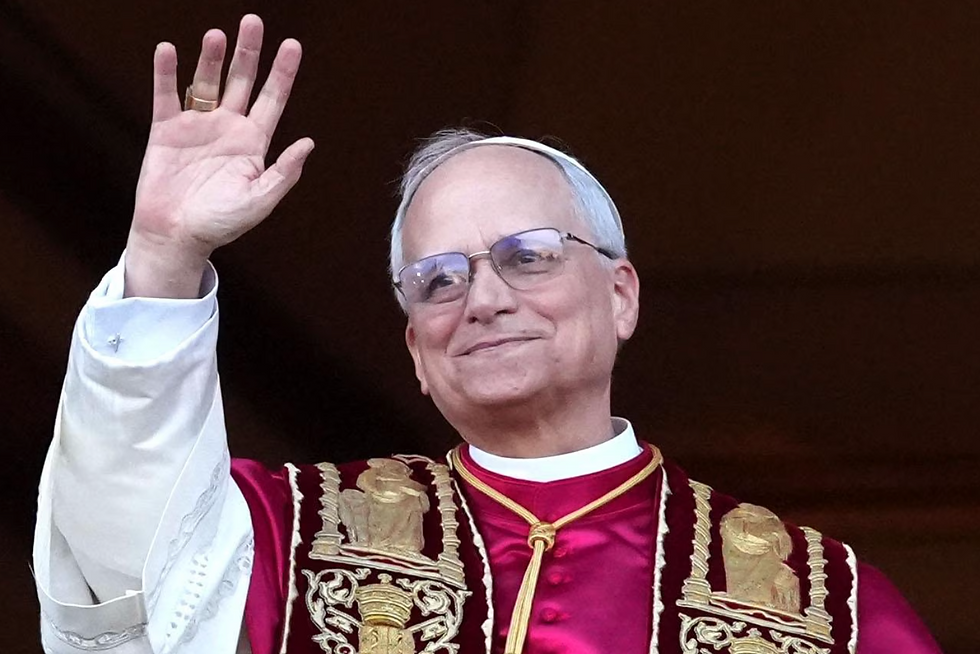
It was May 8, 2025, shortly after the election of Pope Leo XIV, that visitors who usually come at our Basilica of Saint Augustine in Annaba, Algeria, first began to ask: since the Holy Father is an Augustinian, when will the Holy Father pay us a visit in Annaba? Without much reflection on the issue, I responded casually, uncertain of what the future would offer. But during quiet time, I would quietly wonder why, how and when can a Pope choose to visit three Augustinian friars and a handful of Christians here, in. place of choosing other nations with millions of Catholic faithful.
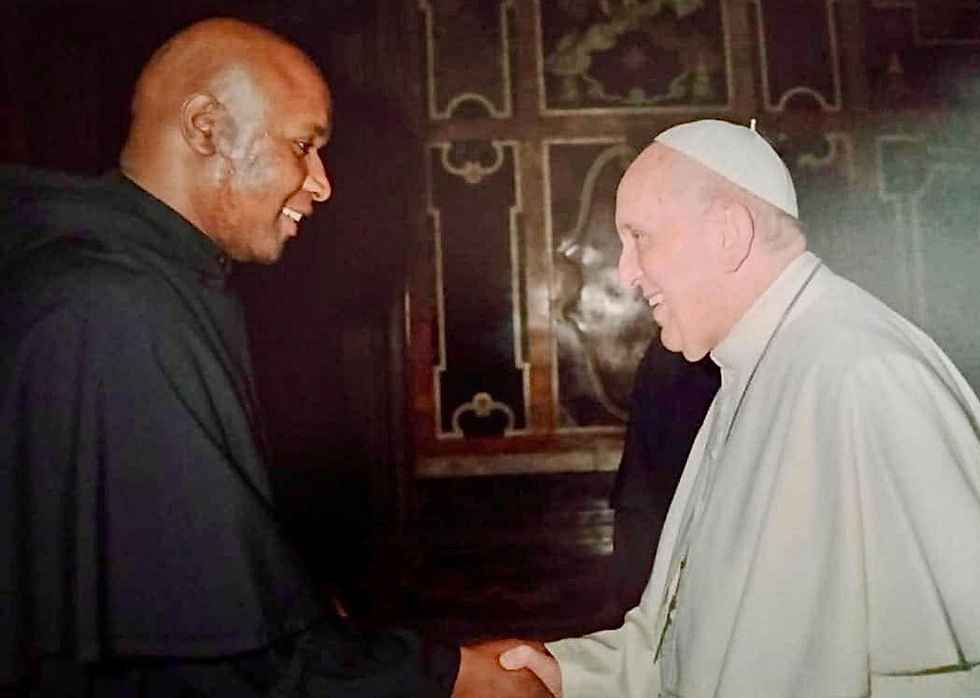
Personally, I had the chance to greet popes at the Vatican, including the late Pope Francis in 2019, during the OSA Ordinary General Chapter, but to welcome a pope, as we did on April 14, 2026, was a profound, touching and exceptional experience in my life as a religious in the Order of Saint Augustine.
For us to understand some of the preliminary factors that led to the apostolic visit to Algeria, it is necessary to remember 8 May 2025 when the conclave led to the election of Pope Leo XIV, and to his introduction of himself as a "son of Saint Augustine". In Algeria, there was a public outcry through social media and media stations to invite the new pope to visit Augustine's homeland. The number of messages that I received from local friends in Algeria, and the number of invitations for the pope to visit the land of Augustine were overwhelming. This is because a love of Saint Augustine is something the Algerian people have in common with the supreme pontiff. There were two official invitations that were made to the Holy See: one was made by the Church in Algeria, and the second by the head of state, the President of Algeria.

The preparation leading up to the apostolic visit was nothing short of extraordinary. Media attention was intense, with more than ten outlets—spanning radio, television, print, and online media—seeking interviews. Journalists called at all hours to get a scoop. This flurry of activity compelled me to deeply review, research, and interpret Augustinian philosophy, spirituality, and theology so that I could accurately explain the significance of the apostolic visit to the public.
The most moving privilege of this whirlwind period was a live, hour-and-a-half-long appearance on AL24News. Having the opportunity to analyze, dissect, and share the significance of the Pope's visit to Algeria on national television was a great honor.
Beyond the media frenzy and the historic nature of the day, the visit on April 14 imparted several profound lessons that will stay with me.
Spiritual and Liturgical Enrichment
Preparing for the Holy Father demanded a deeper immersion into my spiritual and liturgical practices. The anticipation of the visit elevated my liturgical celebrations, reminding me of the profound reverence and beauty inherent in our Catholic liturgical traditions. Following the Holy Father's visit and his message of peace, I have experienced a spiritual renewal and feel more dedicated to serving the people of God. What moved me most were his attentive and humble conversations within our community here—and, of course, his words of encouragement.
Enhancing Organizational Skills
Monumental events are built upon the quiet, daily actions that precede them. This experience reinforced a central truth regarding the Christian life and human potential: every small step, every minor preparation, and every moment of quiet faith contributes to a much larger and more beautiful story. The Pope's grand arrival was, ultimately, the culmination of countless small acts of dedication.
Endless meetings, numerous messages, and many phone calls characterized my days leading up to the apostolic visit. Serving on the Liturgy Commission required me to be constantly ready—willing to sacrifice my own schedule and even a planned vacation.
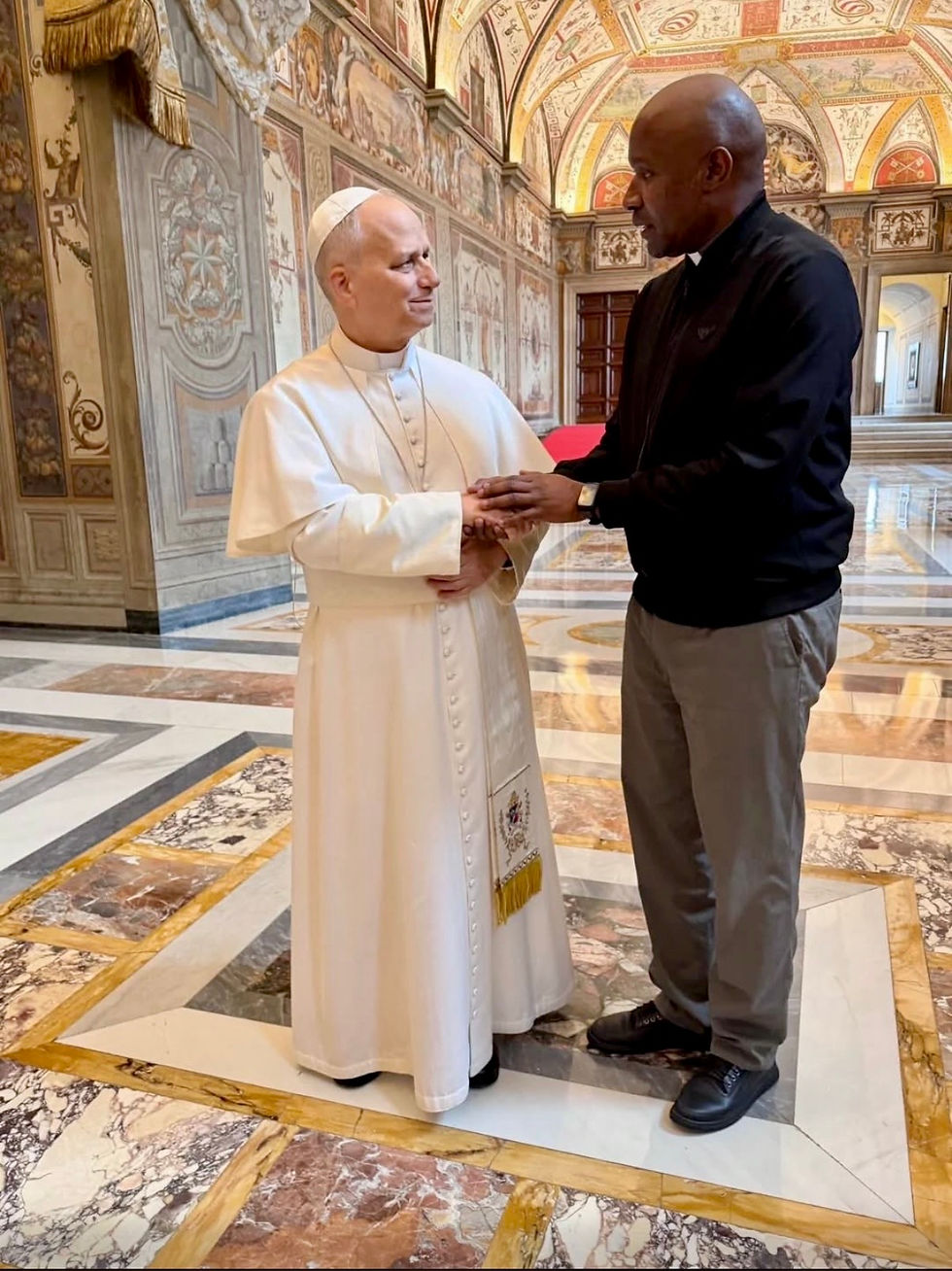
The first step involved attending liturgical planning sessions with the Master of Papal Liturgical Celebrations at the Vatican on February 20, 2026. Following the meeting, I had the opportunity to greet His Holiness Pope Leo XIV prior to his visit to Algeria—what a blessing and grace from God!
Hosting a Supreme Pontiff demands meticulous planning in advance. For instance, coordinating the logistics—ranging from managing technical setups and sound systems to ensuring the seamless flow of events—required an unprecedented level of precision. The pressure of the moment sharpened my ability to handle complex and exacting preparations.
Collaboration with Local and National Authorities
The success of the apostolic visit depended largely on mutual trust and cooperation. Working closely with Algerian civic leaders, security forces, and national authorities underscored the strength of our local partnerships, which ultimately paved the way for a successful visit. Their countless meetings—conducted both in person and online—as well as their dedication and support, were instrumental in ensuring the safety and dignity of the event. I am truly grateful to the Algerian authorities for their collaborative efforts.
Advancing Interreligious Dialogue
Most journalists asked me why His Holiness Pope Leo XIV would consider visiting a predominantly Muslim country. In my response, I referred to remarks Pope Leo XIV made on his return journey from Lebanon: that he wished to promote a message of peace and interreligious dialogue. This implies that welcoming the Pope to a predominantly Muslim nation served to build a powerful bridge between Christianity and Islam. The visit was not merely an event for Christians; it evolved into a shared moment of mutual respect, friendship, and peaceful coexistence. It underscored the absolute necessity of open dialogue between religions, dialogue within families, and empathetic communication throughout society. Peace is not merely the absence of war; rather, building a peaceful society entails achieving social justice and equity within that society.
The Enduring Relevance of Saint Augustine

Above all—as an Augustinian Pope—his visit highlighted the legacy of Saint Augustine: how the Augustinian understanding of peace remains relevant in our modern era, and how to foster reconciliation and forgiveness as integral components of peaceful coexistence. It became clear that his teachings on peace, communal life, and the pursuit of truth are just as vital today—as we navigate our complex world—as they were centuries ago.
FINAL REFLECTION
Welcoming Pope Leo XIV to Annaba to celebrate the Holy The Eucharist celebrated with us was far more than a ceremonial duty; it was a transformative milestone and a spiritual renewal for me. It challenged me intellectually, tested my organizational limits, and profoundly deepened my faith. The visit cast a global spotlight on our Augustinian community in Annaba, demonstrating that even the quietest corners of the world can harbor moments of immense historical and spiritual significance. Being a minority does not signify "insignificance," but rather strength through the grace of God—a grace that helps us reflect and place our trust in His aid.
By Fr. Fred Wekesa, OSA
Rector, Basilica of Saint Augustine, Annaba, Algeria


Comments